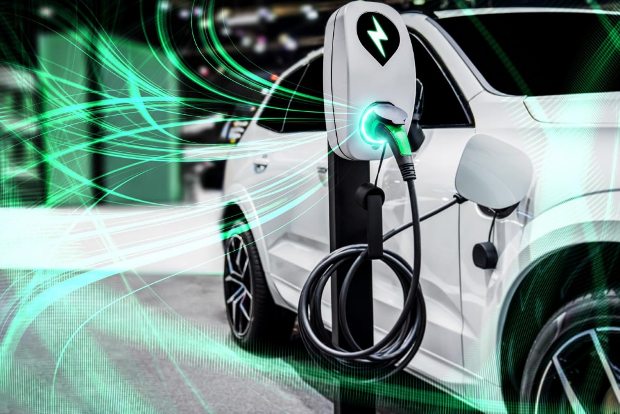
Urban mobility is undergoing a profound transformation, driven by the need for sustainability, efficiency, and convenience. As cities grow and populations increase, the pressure on transportation systems intensifies. This article explores the innovative solutions revolutionizing urban mobility, from electric vehicles and shared transportation to advanced public transit systems and smart infrastructure.
The Rise of Electric Vehicles (EVs)
A Sustainable Shift
Electric vehicles (EVs) are at the forefront of the urban mobility revolution. These vehicles, powered by electricity instead of fossil fuels, offer a sustainable alternative to traditional internal combustion engine (ICE) vehicles. The adoption of EVs is being driven by several factors, including environmental concerns, government incentives, and advancements in battery technology.
Government Incentives and Policies
Governments worldwide are playing a crucial role in promoting the adoption of EVs. Incentives such as tax credits, rebates, and subsidies are making EVs more affordable for consumers. Additionally, stricter emission regulations and the phasing out of ICE vehicles in certain regions are accelerating the shift toward electric mobility.
Advancements in Battery Technology
One of the critical challenges for EVs has been the range and charging infrastructure. However, significant advancements in battery technology are addressing these issues. Modern EV batteries offer longer ranges and faster charging times, making them more practical for everyday use. Furthermore, innovations in battery recycling and second-life applications are enhancing the sustainability of EVs.
Shared Mobility: Redefining Transportation
The Rise of Ride-Sharing and Car-Sharing
Shared mobility services, such as ride-sharing and car-sharing, are transforming the way people travel in urban areas. Companies like Uber, Lyft, and Zipcar have created platforms that allow users to access vehicles on-demand, reducing the need for private car ownership. This shift not only decreases traffic congestion but also contributes to lower carbon emissions.
Micromobility: Scooters and Bikes
Micromobility solutions, including electric scooters and bikes, have gained immense popularity in cities around the world. These small, lightweight vehicles are ideal for short trips and provide a convenient alternative to cars and public transit. Cities are increasingly integrating micromobility options into their transportation networks, promoting healthier lifestyles and reducing urban congestion.
The Impact on Urban Planning
The rise of shared mobility is influencing urban planning and infrastructure development. Cities are rethinking their transportation networks to accommodate these new modes of travel. This includes the creation of dedicated lanes for bikes and scooters, as well as the integration of shared mobility services with public transit systems.
Advanced Public Transit Systems
The Evolution of Public Transportation
Public transit systems are evolving to meet the demands of modern urban environments. Innovations in technology and infrastructure are enhancing the efficiency, convenience, and sustainability of public transportation. From autonomous buses to high-speed trains, these advancements are reshaping the way people move within cities.
Autonomous Vehicles and Public Transit
Autonomous vehicles (AVs) are poised to revolutionize public transportation. Self-driving buses and shuttles are being tested in various cities, offering a glimpse into the future of urban mobility. AVs have the potential to reduce operational costs, improve safety, and increase the frequency of service, making public transit more accessible and reliable.
High-Speed Rail and Hyperloop
High-speed rail and hyperloop systems represent the next frontier in public transportation. These technologies promise to significantly reduce travel times between cities, making long-distance commuting more feasible. High-speed rail networks, such as those in Europe and Asia, are already demonstrating the benefits of fast, efficient transit. Meanwhile, hyperloop projects, like those proposed by Elon Musk’s companies, are pushing the boundaries of what’s possible in urban mobility.
Smart Infrastructure: The Backbone of Urban Mobility
Intelligent Transportation Systems (ITS)
Smart infrastructure is the backbone of modern urban mobility. Intelligent Transportation Systems (ITS) use technology to improve traffic management, enhance safety, and optimize transportation networks. These systems include traffic signal control, real-time traffic monitoring, and adaptive traffic management, all of which contribute to smoother and more efficient urban travel.
Connected and Autonomous Vehicles (CAVs)
Connected and Autonomous Vehicles (CAVs) are transforming the urban mobility landscape. These vehicles communicate with each other and with infrastructure to navigate safely and efficiently. CAVs have the potential to reduce traffic accidents, lower congestion, and improve fuel efficiency. Cities are investing in the necessary infrastructure to support CAV deployment, including smart traffic lights, dedicated lanes, and vehicle-to-infrastructure communication systems.
The Role of Data and Analytics
Data and analytics play a crucial role in the development of smart infrastructure. By collecting and analyzing data from various sources, cities can gain insights into traffic patterns, mobility trends, and infrastructure performance. This information is invaluable for making informed decisions about urban planning, transportation investments, and policy development.
The Future of Urban Mobility
The Integration of Multimodal Transportation
The future of urban mobility lies in the integration of multimodal transportation. This approach combines various modes of travel, such as walking, biking, public transit, and shared mobility, into a seamless and efficient network. Integrated mobility platforms, powered by advanced technology, will allow users to plan, book, and pay for trips using a single app, making urban travel more convenient and flexible.
The Role of Public-Private Partnerships
Public-private partnerships (PPPs) will be essential in driving the innovation and implementation of urban mobility solutions. Collaborations between governments, private companies, and research institutions can accelerate the development and deployment of new technologies. PPPs can also help address funding challenges and ensure that mobility solutions are accessible and equitable for all citizens.
Sustainability and Equity
Sustainability and equity are critical considerations in the evolution of urban mobility. Cities must prioritize environmentally friendly transportation options and ensure that mobility solutions are accessible to all residents, regardless of income or location. This includes investing in public transit, promoting active transportation, and addressing the needs of underserved communities.
Conclusion
Innovations in urban mobility are transforming cityscapes around the world. From electric vehicles and shared mobility services to advanced public transit systems and smart infrastructure, these developments are making urban transportation more sustainable, efficient, and convenient. As cities continue to grow and evolve, the integration of these innovative solutions will be essential in creating livable, resilient, and connected urban environments.