Introduction
As the world’s population continues to grow and urbanize, the demand for fresh, locally-sourced food has never been higher. Traditional farming methods, while effective, are increasingly challenged by climate change, land scarcity, and the need for sustainable practices. Enter vertical farming: a revolutionary approach to agriculture that promises to transform how we produce food. By utilizing innovative technologies and maximizing space efficiency, vertical farming offers a glimpse into the future of urban agriculture.
The Concept of Vertical Farming
What is Vertical Farming?
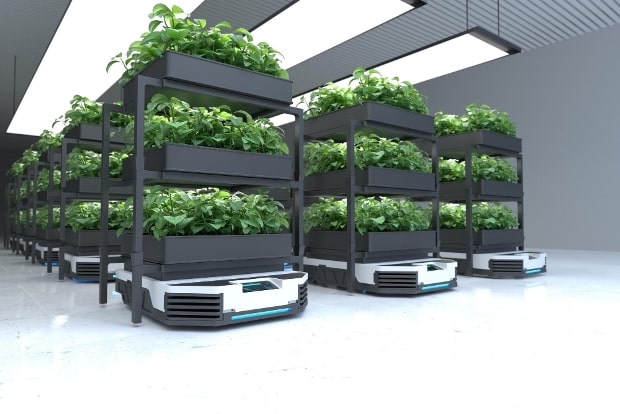
Vertical farming is a method of growing crops in vertically stacked layers or structures. This can be done in a variety of settings, including skyscrapers, warehouses, and shipping containers. By using controlled-environment agriculture (CEA) technology, vertical farms can optimize plant growth and reduce the reliance on traditional agricultural inputs such as soil, water, and pesticides.
The History and Evolution
The concept of vertical farming dates back to the early 20th century, but it has only gained significant traction in the last few decades. Early visions of vertical farming were largely theoretical, but advancements in hydroponics, aeroponics, and LED lighting have turned these dreams into reality. Companies like AeroFarms, Plenty, and Bowery Farming are at the forefront of this agricultural revolution, showcasing the potential of vertical farming to meet the demands of the 21st century.
Innovations Driving Vertical Farming
Advanced Hydroponics and Aeroponics
Hydroponics and aeroponics are two cornerstone technologies of vertical farming. Hydroponics involves growing plants in a nutrient-rich water solution, while aeroponics suspends plants in the air and mist their roots with nutrients. Both methods eliminate the need for soil, allowing for greater control over growing conditions and faster plant growth.
LED Lighting Technology
LED lighting has been a game-changer for vertical farming. These energy-efficient lights can be tuned to specific wavelengths that promote optimal plant growth. Unlike traditional farming, where plants depend on sunlight, vertical farms can use LEDs to provide consistent and tailored light, leading to higher yields and faster growth cycles.
Automation and AI
Automation and artificial intelligence (AI) are transforming vertical farming operations. From planting and harvesting to monitoring and adjusting growing conditions, automation reduces labor costs and increases efficiency. AI systems analyze data in real-time to optimize every aspect of the farming process, ensuring that plants receive the ideal amount of light, water, and nutrients.
Climate Control Systems
Vertical farms utilize sophisticated climate control systems to maintain optimal growing conditions year-round. These systems regulate temperature, humidity, and CO2 levels, creating a stable environment that enhances plant health and productivity. By controlling these variables, vertical farms can produce crops consistently, regardless of external weather conditions.
Opportunities and Benefits
Sustainability and Resource Efficiency
One of the most significant benefits of vertical farming is its sustainability. Vertical farms use up to 95% less water than traditional agriculture, thanks to recirculating systems that minimize waste. They also reduce the need for pesticides and herbicides, as the controlled environment limits pest infestations. Additionally, vertical farms can be located in urban areas, reducing the carbon footprint associated with transporting food from rural farms to city centers.
Urban Food Security
Vertical farming offers a solution to urban food deserts—areas with limited access to fresh, affordable produce. By establishing vertical farms in or near cities, communities can gain access to locally-grown, nutritious food year-round. This proximity also reduces transportation costs and food spoilage, ensuring that consumers receive fresher products.
Economic Growth and Job Creation
The vertical farming industry is poised for significant growth, presenting numerous economic opportunities. As the demand for fresh produce increases, so does the need for skilled workers in technology, engineering, and agriculture. Vertical farming can stimulate job creation in urban areas, from farm management and maintenance to research and development.
Resilience Against Climate Change
Traditional agriculture is highly susceptible to climate change, with extreme weather events, droughts, and pests posing significant risks to crop yields. Vertical farming, with its controlled environments, offers a more resilient alternative. By mitigating the impact of climate variability, vertical farms can provide a steady supply of food, enhancing food security in the face of global challenges.
Challenges and Considerations
High Initial Costs
One of the main challenges of vertical farming is the high initial investment required. Building and equipping a vertical farm with advanced technologies can be costly. However, as the industry matures and technology becomes more affordable, these costs are expected to decrease. Additionally, the long-term savings in water, labor, and transportation can offset the initial expenditure.
Energy Consumption
While vertical farms are more efficient in many ways, they do require significant energy for lighting, climate control, and automation. This reliance on energy can be a drawback, particularly if the energy sources are not renewable. Advances in renewable energy integration and energy-efficient technologies are crucial to addressing this challenge.
Technical Expertise
Operating a vertical farm requires specialized knowledge in various fields, including plant science, engineering, and data analytics. Training and education programs are essential to develop a skilled workforce capable of managing these sophisticated systems. Collaboration between industry, academia, and government can help bridge this knowledge gap.
The Future of Vertical Farming
Expanding Crop Varieties
Currently, vertical farms primarily focus on leafy greens, herbs, and microgreens, which have short growth cycles and high market demand. However, research is underway to expand the range of crops that can be grown vertically. Scientists are exploring the feasibility of growing staple crops like wheat, rice, and even fruits and vegetables in vertical systems, which could revolutionize food production.
Global Adoption
Vertical farming is gaining momentum worldwide, with countries like Singapore, Japan, and the Netherlands leading the way. These nations, facing limited arable land and high population densities, have embraced vertical farming as a viable solution to their food security challenges. As technology advances and costs decrease, more countries are likely to adopt vertical farming practices.
Integration with Urban Infrastructure
Future vertical farms may be integrated into urban infrastructure, transforming buildings into multi-use spaces that include residential, commercial, and agricultural functions. This integration can create self-sustaining urban ecosystems, where waste and resources are efficiently managed. Rooftop farms, building-integrated agriculture, and community-based vertical farms are just a few examples of how vertical farming can be seamlessly incorporated into cityscapes.
Policy and Regulatory Support
Governments play a crucial role in the expansion of vertical farming. Supportive policies, incentives, and regulations can encourage investment and innovation in the industry. Zoning laws, subsidies for renewable energy use, and funding for research and development are essential components of a supportive policy framework. By fostering a favorable environment, governments can help vertical farming reach its full potential.
Conclusion
Vertical farming represents a paradigm shift in agriculture, offering innovative solutions to some of the most pressing challenges of our time. By leveraging cutting-edge technologies and sustainable practices, vertical farming can enhance food security, promote economic growth, and build resilient urban communities. As the industry continues to evolve, it holds the promise of transforming the way we grow and consume food, paving the way for a more sustainable and food-secure future.