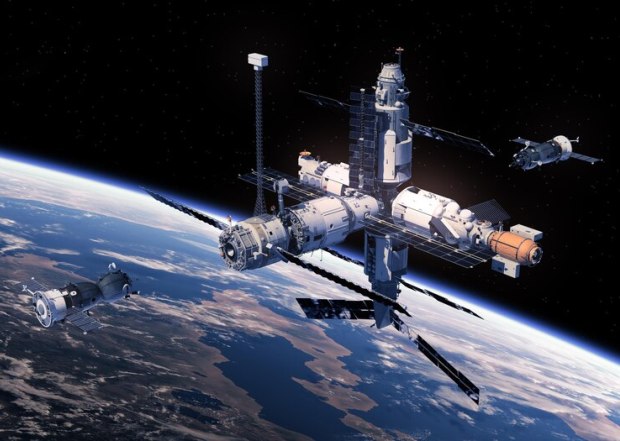
The concept of space tourism, once confined to the realms of science fiction, is rapidly becoming a tangible reality. As private companies like SpaceX, Blue Origin, and Virgin Galactic push the boundaries of what is possible, the potential for space tourism to generate entirely new markets is becoming increasingly evident. From luxury space hotels to asteroid mining, space tourism could be the catalyst for a broad range of economic opportunities that could transform industries on Earth and beyond.
The Dawn of Space Tourism
A New Era of Exploration
The dawn of space tourism marks a significant shift in how we view travel and exploration. Historically, space exploration has been the domain of government agencies, with NASA, Roscosmos, and the European Space Agency leading the charge. However, the last decade has seen the emergence of private companies taking the helm, driven by visionary entrepreneurs like Elon Musk, Jeff Bezos, and Richard Branson. These companies are not just looking to explore space; they are aiming to make it accessible to the masses, or at least to those with the financial means.
The successful launches and missions carried out by these private entities have laid the groundwork for what could become a multi-billion-dollar industry. According to a report by UBS, the space tourism market could grow to $3 billion by 2030, while the broader space economy is projected to exceed $1 trillion in the same period.
The Customer Base: Who Will Go to Space?
Space tourism, at least in its early stages, is likely to cater to a very specific demographic—ultra-high-net-worth individuals. These are people who have the resources to pay for the astronomical costs associated with space travel. Virgin Galactic, for instance, has priced its tickets at $450,000 per seat, while SpaceX’s Crew Dragon missions could cost as much as $55 million per passenger.
However, as technology advances and economies of scale come into play, the cost of space travel could decrease significantly, opening up the market to a broader audience. This democratization of space could lead to an entirely new form of leisure travel, where people not only explore new places on Earth but also venture into space.
New Market Opportunities Arising from Space Tourism
Space Hotels: Luxury in Orbit

One of the most immediate market opportunities emerging from space tourism is the concept of space hotels. Imagine staying in a luxurious space station orbiting Earth, where you can experience zero gravity, gaze at the stars, and witness breathtaking views of our planet from above. Companies like Orbital Assembly Corporation and Axiom Space are already working on making this a reality.
Space hotels could cater to a wide range of customers, from honeymooners looking for an unforgettable experience to companies organizing corporate retreats. The market for luxury accommodations in space could mirror the high-end travel market on Earth, offering unique experiences that justify their premium price tags.
Entertainment and Media: The Ultimate Content Creation
The rise of space tourism will undoubtedly open up new avenues for entertainment and media. Imagine live broadcasts of spaceflights, reality TV shows set in space, or movies filmed in orbit. The possibilities for content creation are endless, and with the increasing demand for unique and immersive experiences, space could become the next frontier for entertainment.
Brands and companies could sponsor spaceflights, creating branded content that appeals to the growing audience interested in space exploration. Additionally, space tourism could give rise to new forms of interactive entertainment, such as virtual reality experiences that allow people to “visit” space without leaving Earth.
Space Tourism: A Laboratory in the Sky for Research and Development
Space tourism could also pave the way for new opportunities in research and development. The microgravity environment of space offers unique conditions for scientific experiments that are not possible on Earth. Pharmaceutical companies, for instance, could use space stations as laboratories to develop new drugs, while materials scientists could experiment with new manufacturing processes.
Moreover, space tourism could accelerate the development of new technologies that could have applications both in space and on Earth. For example, advancements in life support systems, radiation protection, and sustainable living in space could lead to innovations that improve life on our planet.
The Ripple Effect on Earth-Based Industries
Aerospace and Manufacturing: Boosting Innovation
The demand for space tourism will have a ripple effect on Earth-based industries, particularly in aerospace and manufacturing. The development of spacecraft, habitats, and other space-related technologies will require significant investment in research and development. This, in turn, could lead to innovations that benefit other industries, such as aviation, automotive, and robotics.
Additionally, the manufacturing industry could see a boom in demand for specialized materials and components needed for space travel. Companies that can supply these materials will find themselves at the forefront of a new industrial revolution, one that is driven by the challenges and opportunities of space exploration.
Hospitality and Tourism: Expanding Horizons
As space tourism becomes more accessible, the hospitality and tourism industries will need to adapt to the new reality. Hotels, travel agencies, and tour operators will need to develop new offerings that cater to the unique needs of space tourists. This could include everything from pre-flight training programs to space-themed accommodations on Earth.
Furthermore, the demand for space-related experiences could lead to the development of new tourist destinations on Earth. For example, spaceports, which serve as launch sites for spacecraft, could become attractions in their own right, offering tours, simulations, and other space-related activities.
Education and Workforce Development: Preparing the Next Generation
The rise of space tourism will also have significant implications for education and workforce development. As the industry grows, there will be a need for a new generation of engineers, scientists, and technicians who are trained to work in the unique conditions of space. This will require changes in educational curricula, with a greater emphasis on STEM (science, technology, engineering, and mathematics) subjects, as well as specialized training programs.
In addition, space tourism could inspire a new wave of interest in space exploration among young people. Just as the Apollo missions inspired a generation of scientists and engineers, the prospect of traveling to space could motivate today’s students to pursue careers in the space industry.
Challenges and Considerations
Regulatory Hurdles in Space Tourism: Navigating the Legal Landscape
One of the biggest challenges facing the space tourism industry is the regulatory environment. Space law is still in its infancy, and there are many questions that need to be addressed, such as liability in the event of an accident, environmental protection, and the ownership of resources in space. Governments and international bodies will need to work together to develop a regulatory framework that ensures the safety and sustainability of space tourism.
Environmental Impact of Space Tourism: Protecting the Final Frontier
As with any new industry, space tourism raises environmental concerns. The impact of rocket launches on the Earth’s atmosphere, the potential for space debris, and the effect of human activity on celestial bodies are all issues that need to be carefully considered. The space tourism industry will need to prioritize sustainability and develop technologies and practices that minimize its environmental footprint.
Accessibility: Making Space for Everyone
While space tourism holds great promise, it is important to consider issues of accessibility. The high cost of space travel means that, at least in the short term, it will be out of reach for most people. However, as technology advances and costs come down, there will be opportunities to make space tourism more inclusive. Companies and governments should work together to ensure that the benefits of space exploration are shared by all, not just the wealthy few.
Conclusion: The Sky Is No Longer the Limit
Space tourism is more than just a novel form of travel; it is the catalyst for a new era of economic growth and innovation. As the industry develops, it will create new market opportunities that could transform not only the space economy but also industries here on Earth. From luxury space hotels to new forms of entertainment, the possibilities are as vast as space itself. While challenges remain, the potential rewards are enormous, and the sky is no longer the limit.