In an era where online transactions and interactions are ubiquitous, the need for robust digital identity verification services has never been more critical. From banking and e-commerce to social media and telehealth, verifying the identity of users is essential for security, compliance, and user trust. This article explores the evolving landscape of digital identity verification, its significance, the technologies involved, and the challenges it faces.
The Significance of Digital Identity Verification
Digital identity verification services are pivotal in protecting both businesses and consumers from fraud. With the rise of digital interactions, the potential for identity theft, account takeovers, and fraudulent transactions has increased dramatically. Verification services help mitigate these risks by ensuring that the person or entity on the other end of a transaction is legitimate.
Financial institutions, for example, rely heavily on these services to comply with Know Your Customer (KYC) and Anti-Money Laundering (AML) regulations. Similarly, online retailers use identity verification to prevent fraudulent purchases and protect user accounts. Beyond security, these services enhance user trust and streamline onboarding processes, improving the overall user experience.
Technologies Behind Digital Identity Verification
The technology driving digital identity verification has advanced significantly, leveraging a blend of biometrics, artificial intelligence (AI), and blockchain.
Biometrics
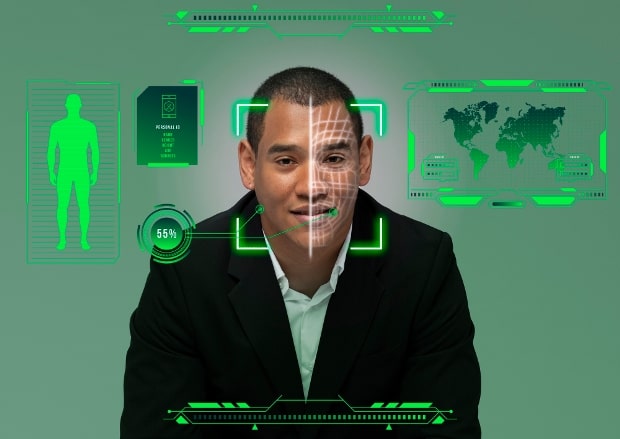
Biometric verification uses unique physiological or behavioral characteristics to verify identities. Fingerprint scanning, facial recognition, and iris scanning are common methods. These technologies offer a high level of security because biometric data is difficult to forge. For instance, Apple’s Face ID and fingerprint sensors on smartphones exemplify how biometrics have been seamlessly integrated into consumer technology.
Artificial Intelligence and Machine Learning
AI and machine learning play crucial roles in analyzing and verifying identities. These technologies can detect anomalies, identify patterns, and continuously learn from data to improve verification accuracy. AI-driven solutions can quickly analyze large volumes of data, compare it against known databases, and flag suspicious activities in real-time, significantly reducing the risk of fraud.
Blockchain
Blockchain technology offers a decentralized and immutable ledger for storing identity information. This ensures that data cannot be tampered with and provides a transparent audit trail. Blockchain’s decentralized nature enhances security and privacy, making it an attractive option for digital identity verification. Projects like Sovrin are pioneering self-sovereign identity models that put users in control of their data.
Challenges and Considerations
Despite the advancements, digital identity verification faces several challenges.
Privacy Concerns
The collection and storage of personal data raise significant privacy issues. Consumers are increasingly wary of how their data is used and stored. Companies must navigate stringent data protection regulations like GDPR in Europe and CCPA in California, which mandate strict controls over personal data.
Technological Limitations
While technologies like biometrics and AI offer robust solutions, they are not infallible. Biometric systems can be susceptible to spoofing, and AI models can be biased if not trained on diverse data sets. Ensuring the accuracy and fairness of these technologies is an ongoing challenge.
Integration and Interoperability
Integrating identity verification services across different platforms and industries can be complex. Interoperability issues can arise, particularly when legacy systems are involved. Creating standardized protocols and frameworks is essential for seamless integration.
The Future of Digital Identity Verification
The future of digital identity verification looks promising, driven by continuous technological advancements and a growing emphasis on security and user experience.
Enhanced Biometrics
Next-generation biometrics will go beyond fingerprints and facial recognition. Technologies like vein pattern recognition, voice recognition, and behavioral biometrics (e.g., typing patterns) are emerging as sophisticated alternatives.
Decentralized Identities
Decentralized identity models, powered by blockchain, are gaining traction. These models allow individuals to control their identity data and share it selectively. Self-sovereign identities could revolutionize the way personal information is managed, enhancing privacy and security.
AI and Predictive Analytics
AI will continue to evolve, with predictive analytics becoming more prevalent in identity verification. Predictive models can anticipate fraudulent behavior before it occurs, providing a proactive approach to security.
Conclusion
Digital identity verification services are integral to the modern digital economy, providing essential security and fostering trust in online interactions. As technology evolves, these services will become more sophisticated, addressing current challenges and paving the way for a safer digital future. Balancing security, privacy, and user experience will be key to the successful implementation and acceptance of digital identity verification solutions.