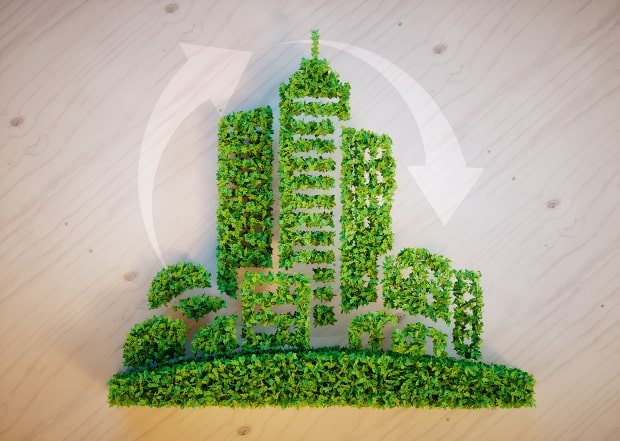
In an era where environmental consciousness is at the forefront of societal concerns, the construction industry is experiencing a profound shift towards sustainability. Green building technologies are revolutionizing the way we design, construct, and inhabit buildings, paving the way for a more environmentally friendly and energy-efficient future.
The Rise of Green Building Technologies
Traditional construction methods often prioritize cost and speed over environmental considerations, resulting in buildings that consume vast amounts of energy and resources. However, the emergence of green building technologies has challenged this status quo by offering innovative solutions that minimize environmental impact without compromising on functionality or aesthetics.
Energy-Efficient Design
One of the cornerstones of green building technologies is energy-efficient design. This approach focuses on reducing energy consumption through strategies such as improved insulation, efficient lighting systems, and advanced HVAC (heating, ventilation, and air conditioning) technologies. By incorporating these features into building design, developers can significantly decrease energy usage and lower operating costs over the building’s lifespan.
Renewable Energy Integration
In addition to reducing energy demand, green buildings also harness renewable energy sources to further minimize their environmental footprint. Technologies such as solar panels, wind turbines, and geothermal systems enable buildings to generate their own clean energy, reducing reliance on fossil fuels and decreasing greenhouse gas emissions. This integration of renewable energy not only benefits the environment but also provides long-term cost savings for building owners.
Sustainable Materials
Another critical aspect of green building technologies is the use of sustainable materials. Traditional construction often relies on materials that are energy-intensive to produce and may have adverse environmental impacts. In contrast, green buildings prioritize materials that are responsibly sourced, renewable, and non-toxic. From recycled steel and reclaimed wood to eco-friendly insulation and low-VOC (volatile organic compound) paints, these sustainable materials help minimize waste and pollution throughout the building lifecycle.
Water Conservation Strategies
Water scarcity is a growing concern in many regions around the world, making water conservation a top priority for green building design. Technologies such as rainwater harvesting systems, greywater recycling, and low-flow fixtures help reduce water consumption and minimize strain on local water resources. By implementing these strategies, green buildings can significantly decrease their environmental footprint while promoting water sustainability.
Smart Building Automation
Advancements in technology have enabled the development of smart building automation systems that optimize energy efficiency and occupant comfort. These systems utilize sensors, data analytics, and machine learning algorithms to monitor and control various building functions, such as lighting, temperature, and ventilation, in real-time. By dynamically adjusting building operations based on occupancy patterns and environmental conditions, smart automation systems maximize energy savings and enhance overall building performance.
The Benefits of Green Buildings
The adoption of green building technologies offers a myriad of benefits for both the environment and building occupants. From reduced energy costs and improved indoor air quality to enhanced resilience to climate change and increased property value, green buildings deliver tangible advantages that extend far beyond their initial construction.
Conclusion: Building a Sustainable Future
As the global population continues to grow, the demand for buildings and infrastructure will only increase. By embracing green building technologies, we have the opportunity to reshape the built environment in a way that is both environmentally sustainable and economically viable. From energy-efficient design and renewable energy integration to sustainable materials and smart building automation, the future of construction lies in prioritizing sustainability at every step of the building process.