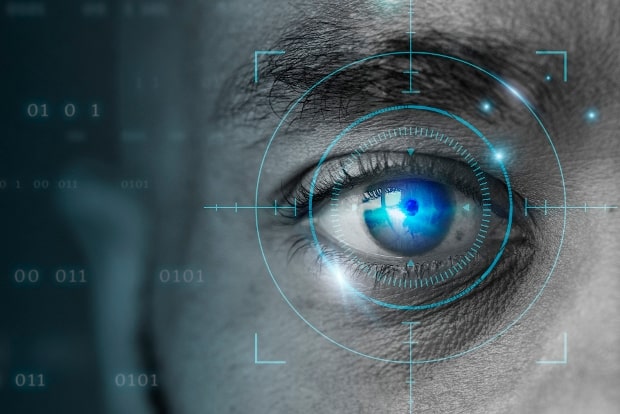
In an era where data breaches and identity theft are increasingly prevalent, traditional password-based authentication methods are proving to be inadequate. As technology evolves, businesses are seeking more secure and efficient ways to authenticate their customers. One promising solution is the incorporation of biometrics. This article explores the various facets of biometric authentication, its advantages, challenges, and the future of this technology in enhancing customer security.
Understanding Biometric Authentication
Biometric authentication involves verifying an individual’s identity based on their unique physical or behavioral characteristics. Unlike passwords or PINs, which can be easily forgotten or stolen, biometric traits are inherently linked to the individual, making them a more secure form of authentication.
Types of Biometrics
- Fingerprint Recognition: This is the most common form of biometric authentication. It involves scanning the unique patterns on an individual’s fingertip.
- Facial Recognition: This method uses advanced algorithms to analyze the unique features of a person’s face.
- Iris Recognition: This technique scans the unique patterns in the colored ring around the eye’s pupil.
- Voice Recognition: This method analyzes the unique characteristics of an individual’s voice.
- Behavioral Biometrics: This involves analyzing patterns in how a person interacts with devices, such as typing speed or mouse movements.
Advantages of Biometric Authentication
Enhanced Security
Biometric authentication provides a higher level of security compared to traditional methods. Since biometric traits are unique to each individual, they are extremely difficult to replicate or steal. This significantly reduces the risk of unauthorized access.
Improved User Experience
Biometric authentication offers a seamless and convenient user experience. Users no longer need to remember complex passwords or carry physical tokens. A simple fingerprint scan or facial recognition can quickly and easily authenticate their identity.
Fraud Prevention
By using biometric authentication, businesses can better prevent fraud. For example, in financial transactions, biometrics can ensure that the person initiating the transaction is indeed the account holder, reducing the risk of fraud.
Challenges and Concerns
Privacy Issues
One of the primary concerns with biometric authentication is privacy. Biometric data is highly sensitive, and its collection, storage, and use raise significant privacy issues. Businesses must ensure that they comply with data protection regulations and implement robust measures to protect biometric data.
Implementation Costs
Implementing biometric authentication systems can be expensive. The cost of biometric sensors, software, and infrastructure can be a significant barrier for some businesses, especially smaller ones.
Technological Limitations
While biometric authentication technology has advanced significantly, it is not infallible. Factors such as poor lighting conditions, injuries, or changes in physical appearance can affect the accuracy of biometric systems.
Overcoming the Challenges
Strong Data Protection Measures
To address privacy concerns, businesses must implement strong data protection measures. This includes encrypting biometric data, using secure storage solutions, and ensuring that data is only used for authentication purposes.
Cost-Effective Solutions
To mitigate the high implementation costs, businesses can look for cost-effective biometric solutions. This could involve partnering with biometric technology providers who offer scalable solutions or using multi-factor authentication that combines biometrics with other, less expensive methods.
Continuous Technological Improvement
Investing in the continuous improvement of biometric technology can help address its limitations. This includes enhancing the accuracy of biometric sensors and developing algorithms that can adapt to changes in an individual’s biometric traits.
Real-World Applications
Financial Services
The financial sector is one of the primary adopters of biometric authentication. Banks and financial institutions use biometrics to secure online banking, mobile payments, and ATM transactions. This not only enhances security but also improves the customer experience by simplifying the authentication process.
Healthcare
In healthcare, biometric authentication is used to secure patient records and ensure that only authorized personnel can access sensitive information. This helps protect patient privacy and prevent medical fraud.
Retail
Retailers are incorporating biometrics to streamline the shopping experience. For example, some stores use facial recognition to personalize the shopping experience and offer targeted promotions. Others use fingerprint or voice recognition for secure payments.
Government Services
Governments use biometric authentication for various services, such as issuing passports and driver’s licenses, securing voting systems, and providing social services. This helps ensure that services are only accessed by authorized individuals.
The Future of Biometric Authentication
As technology continues to evolve, the use of biometric authentication is expected to grow. Future developments could include the integration of multiple biometric modalities for even greater security and the use of artificial intelligence to improve the accuracy and efficiency of biometric systems.
Multi-Modal Biometrics
Combining different types of biometric authentication, such as fingerprint and facial recognition, can provide an additional layer of security. This multi-modal approach can help mitigate the limitations of individual biometric methods and enhance overall security.
Artificial Intelligence and Machine Learning
AI and machine learning can play a crucial role in the future of biometric authentication. These technologies can help improve the accuracy of biometric systems by learning and adapting to changes in an individual’s biometric traits. They can also help detect and prevent fraudulent activities by identifying unusual patterns or behaviors.
Biometric Authentication as a Service (BaaS)
The rise of cloud computing has given birth to Biometric Authentication as a Service (BaaS). This allows businesses to leverage biometric authentication without having to invest heavily in infrastructure. BaaS providers offer scalable and cost-effective solutions that can be easily integrated into existing systems.
Conclusion
Incorporating biometrics into customer authentication presents a powerful solution for enhancing security and improving user experience. While there are challenges to overcome, such as privacy concerns and implementation costs, the benefits far outweigh the drawbacks. As technology advances, biometric authentication will become increasingly sophisticated, making it an essential tool for businesses across various sectors. By embracing this technology, businesses can not only protect their customers but also stay ahead in an ever-evolving digital landscape.