In an era of rapid technological advancement and shifting societal priorities, the landscape of transportation is undergoing a profound transformation. From urban centers to rural communities, the way people move from place to place is evolving, driven by innovations in mobility services. As we look ahead, it’s clear that the future of transportation will be shaped by a combination of technological breakthroughs, environmental concerns, and changing consumer preferences.
Rise of Mobility as a Service (MaaS)
One of the most significant trends in transportation is the rise of Mobility as a Service (MaaS) platforms. These services offer integrated, on-demand transportation solutions that encompass a variety of modes, from ride-hailing and bike-sharing to public transit and even autonomous vehicles. By leveraging technology and data analytics, MaaS providers aim to offer users seamless, efficient, and cost-effective mobility options tailored to their specific needs.
Autonomous Vehicles: A Game-Changer
Autonomous vehicles (AVs) represent a paradigm shift in transportation, promising to revolutionize how people and goods are moved. With advances in artificial intelligence and sensor technology, AVs are becoming increasingly capable of navigating roads safely and efficiently. Beyond personal transportation, autonomous delivery vehicles are poised to transform logistics and supply chain management, offering faster, more reliable shipping solutions.
Electric Revolution: Towards Sustainable Mobility
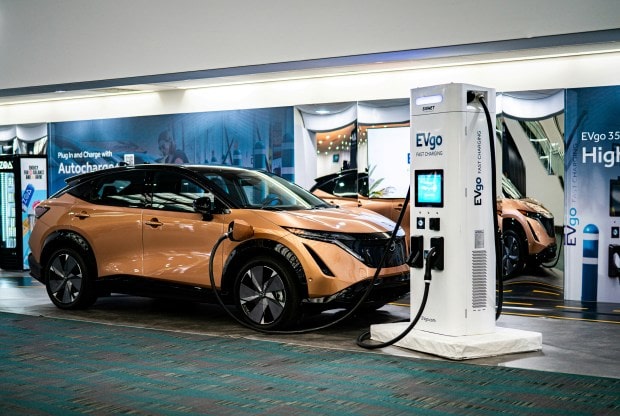
The push for sustainable transportation is driving the widespread adoption of electric vehicles (EVs). With concerns about climate change and air pollution mounting, governments and consumers alike are turning to EVs as a cleaner alternative to traditional gasoline-powered cars. Additionally, the electrification of public transit systems and the proliferation of electric bike-sharing programs are further contributing to a greener, more sustainable future for transportation.
Shared Mobility: Redefining Ownership
The concept of ownership is being redefined in the transportation sector, thanks to the rise of shared mobility services. Instead of owning a car outright, many people are opting to rely on shared vehicles for their transportation needs. Whether it’s through traditional car-sharing programs or peer-to-peer car rental platforms, shared mobility offers greater flexibility and affordability, while also reducing the overall number of vehicles on the road.
Hyperloop and High-Speed Rail: Connecting Cities
In the quest for faster, more efficient long-distance travel, innovations such as the Hyperloop and high-speed rail are gaining traction. These futuristic transportation systems promise to connect cities and regions at speeds previously thought impossible, revolutionizing intercity travel and reducing reliance on air travel for short-to-medium distance trips. With ongoing research and development, the dream of ultra-fast, sustainable mass transit is closer than ever to becoming a reality.
Last-Mile Solutions: Bridging the Gap
Addressing the “last mile” problem – the challenge of efficiently connecting people to their final destinations – is crucial for the success of any transportation system. Innovations such as electric scooters, micro-mobility devices, and autonomous shuttles are emerging as viable last-mile solutions, offering convenient and eco-friendly alternatives to traditional car-centric transportation models. By bridging the gap between public transit hubs and end-users, these solutions help reduce congestion and improve urban mobility.
Data-Driven Insights: Optimizing Transportation Networks
In the digital age, data has become an invaluable tool for optimizing transportation networks and improving the overall efficiency of mobility services. By analyzing real-time traffic patterns, user behavior, and infrastructure data, transportation planners can make informed decisions that enhance the reliability and accessibility of transportation systems. From dynamic routing algorithms to predictive maintenance strategies, data-driven insights are driving continuous innovation in the field of transportation.
Regulatory Challenges and Ethical Considerations
Despite the promise of innovation, the future of transportation also presents significant regulatory and ethical challenges. Issues such as data privacy, cybersecurity, and liability in the event of accidents involving autonomous vehicles must be addressed to ensure the safe and responsible deployment of emerging technologies. Moreover, questions surrounding equity and access to transportation services underscore the importance of inclusive and equitable urban planning policies.
Conclusion: Embracing the Future of Mobility
As we stand on the brink of a new era in transportation, it’s essential to embrace innovation while also considering the broader social, economic, and environmental implications. By leveraging technology, promoting sustainability, and fostering collaboration between public and private stakeholders, we can build a transportation system that is safer, more efficient, and more equitable for all. The future of mobility is bright – let’s seize the opportunity to shape it for the better.