The chemical industry, traditionally dominated by large corporations, is seeing a surge in innovation and sustainability driven by startups. These ventures are pushing boundaries with groundbreaking technologies, responding to global challenges such as environmental sustainability, energy efficiency, and material recycling. This article highlights some of the most successful and innovative chemical startups that are reshaping the future of the industry.
A New Era for Chemical Startups
Chemical startups are no longer niche players; they are at the forefront of creating revolutionary solutions that address critical global issues. Whether it’s through developing eco-friendly chemical processes, advancing material sciences, or leveraging renewable resources, these companies are proving that innovation and profitability can go hand in hand. The following case studies illustrate the diverse ways chemical startups are making an impact.
BayoTech: Revolutionizing Hydrogen Production
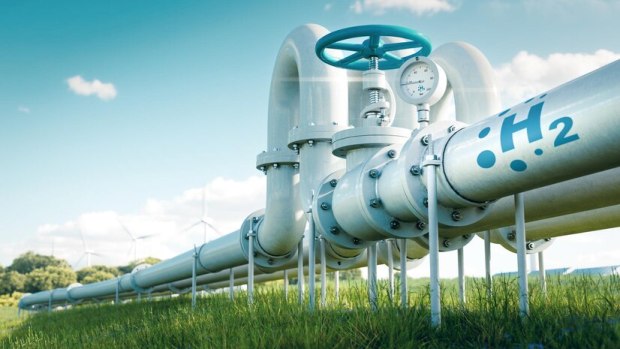
Founded in 2015, BayoTech is a leader in hydrogen production, focusing on distributed, modular hydrogen systems. Its technology addresses the high costs and inefficiencies of traditional hydrogen production by decentralizing the process, allowing hydrogen to be produced closer to its point of use. The company’s systems have applications in agriculture, transportation, and energy sectors, making hydrogen a viable clean fuel alternative.
With over $174 million in funding, BayoTech’s scalable solution significantly reduces both capital expenditure and carbon emissions compared to conventional methods. Its acquisition of IGX Group further bolstered its capabilities, positioning BayoTech as a full-service hydrogen supplier. This innovation is crucial as the world moves toward hydrogen as a key part of the energy transition.
Key Takeaways:
- Focus: Modular hydrogen production systems.
- Impact: Reduced emissions and production costs.
- Market: Energy, agriculture, transportation.
Group14 Technologies: Pioneering Battery Technology
Another standout chemical startup is Group14 Technologies, founded in 2015. This Washington-based company is transforming the battery industry by improving lithium-ion batteries. The startup has developed a silicon-carbon composite that significantly increases battery performance. Its innovation focuses on replacing graphite anodes with silicon, boosting the energy density of batteries used in electric vehicles, consumer electronics, and medical devices.
Group14 has raised over $750 million in funding, with the Department of Energy awarding them nearly $4 million as part of its Energy Storage Grand Challenge. The company’s impact on the energy storage industry could accelerate the transition to electric vehicles by enhancing battery life and charging efficiency.
Key Takeaways:
- Focus: Silicon-carbon composites for batteries.
- Impact: Higher energy density and faster charging.
- Market: Electric vehicles, consumer electronics, MedTech.
FabricNano: DNA-Based Enzyme Reactors
Founded in 2018, London-based FabricNano is changing the landscape of biomanufacturing with its DNA-based enzyme reactors. The startup’s technology allows the creation of enzyme replacements for petrochemical products, offering a sustainable alternative. FabricNano’s DNA-based flow reactor significantly reduces the cost of biomanufacturing, contributing to a circular economy.
The company raised $15.5 million in Series A funding and is poised to become a leader in sustainable biomanufacturing. This innovation is particularly important for industries looking to reduce their dependence on fossil fuels.
Key Takeaways:
- Focus: DNA-based enzyme reactors.
- Impact: Reduced costs and fossil fuel dependency.
- Market: Biomanufacturing, chemical processing.
Air Company: Carbon Utilization Technology
New York-based Air Company, founded in 2017, is making waves in carbon capture and utilization. The company’s AIRMADE™ system converts carbon dioxide from the atmosphere into useful chemicals such as ethanol and methanol. By transforming CO₂, a major greenhouse gas, into valuable products, Air Company is not only reducing emissions but also creating marketable byproducts.
Air Company’s partnerships with major airline companies like JetBlue and Virgin Atlantic highlight the potential of their technology to revolutionize industries beyond chemicals, helping sectors like aviation transition toward sustainability.
Key Takeaways:
- Focus: Carbon capture and utilization.
- Impact: Reduction of atmospheric CO₂.
- Market: Aviation, alcohol production, renewable energy.
Cylib: Lithium-Ion Battery Recycling
One of the youngest yet most promising startups is Cylib, founded in 2022. The company specializes in lithium-ion battery recycling, addressing a critical challenge in the electric vehicle (EV) market: battery waste. Cylib’s innovative Hydro-to-Cathode process allows for efficient recycling of used batteries, recovering materials like lithium and cobalt for reuse in new batteries.
Cylib recently announced the opening of a recycling plant with a capacity of 30,000 metric tons of batteries per year. This is a game-changer for the EV industry, enabling more sustainable battery production while reducing the environmental footprint of electric vehicles.
Key Takeaways:
- Focus: Lithium-ion battery recycling.
- Impact: Efficient recycling of battery materials.
- Market: Electric vehicles, renewable energy storage.
Ayas Renewables: Bio-Based Chemicals
Ayas Renewables, founded in 2015, is a leader in producing bio-renewable chemicals. The company converts vegetable and tallow processing byproducts into 99.9% pure, US Pharma Grade propylene glycol, a critical ingredient in a range of industries including pharmaceuticals, cosmetics, and food. Unlike traditional petrochemical-based propylene glycol, Ayas’ version is biodegradable and made entirely from renewable feedstocks.
Ayas Renewables’ proprietary vapor-phase process is cost-effective and operates without hazardous chemicals, making it a safer and more sustainable option for industrial chemical production.
Key Takeaways:
- Focus: Bio-renewable propylene glycol.
- Impact: Sustainable alternative to petrochemicals.
- Market: Pharmaceuticals, cosmetics, food production.
DUDE CHEM: Greener APIs
Another startup making strides in the pharmaceutical sector is DUDE CHEM, which focuses on developing greener active pharmaceutical ingredients (APIs). Its small molecule recipes are designed to reduce the environmental impact of API manufacturing. The startup has successfully optimized its processes to reduce catalyst costs by up to 82% by using water as a solvent instead of expensive designer surfactants.
DUDE CHEM has raised €6.5 million to further develop its green tech solutions, positioning itself as a leader in sustainable pharmaceutical manufacturing.
Key Takeaways:
- Focus: Greener active pharmaceutical ingredients.
- Impact: Reduced environmental footprint in pharmaceutical production.
- Market: Pharmaceuticals, API manufacturing.
The Future of Chemical Startups
The future of the chemical industry lies in innovation, sustainability, and efficiency. Startups like those mentioned above are leading the charge, offering cutting-edge technologies that address some of the most pressing challenges of our time. From improving energy storage to reducing carbon emissions and enhancing chemical recycling, these companies are shaping a greener, more sustainable chemical industry.
As the global demand for cleaner, more efficient chemical processes grows, these startups will play an increasingly vital role in driving both economic and environmental benefits. Their success stories offer valuable lessons for entrepreneurs and established companies alike: innovation is not just about new products, but about creating solutions that align with a more sustainable future.